
Cashew W240
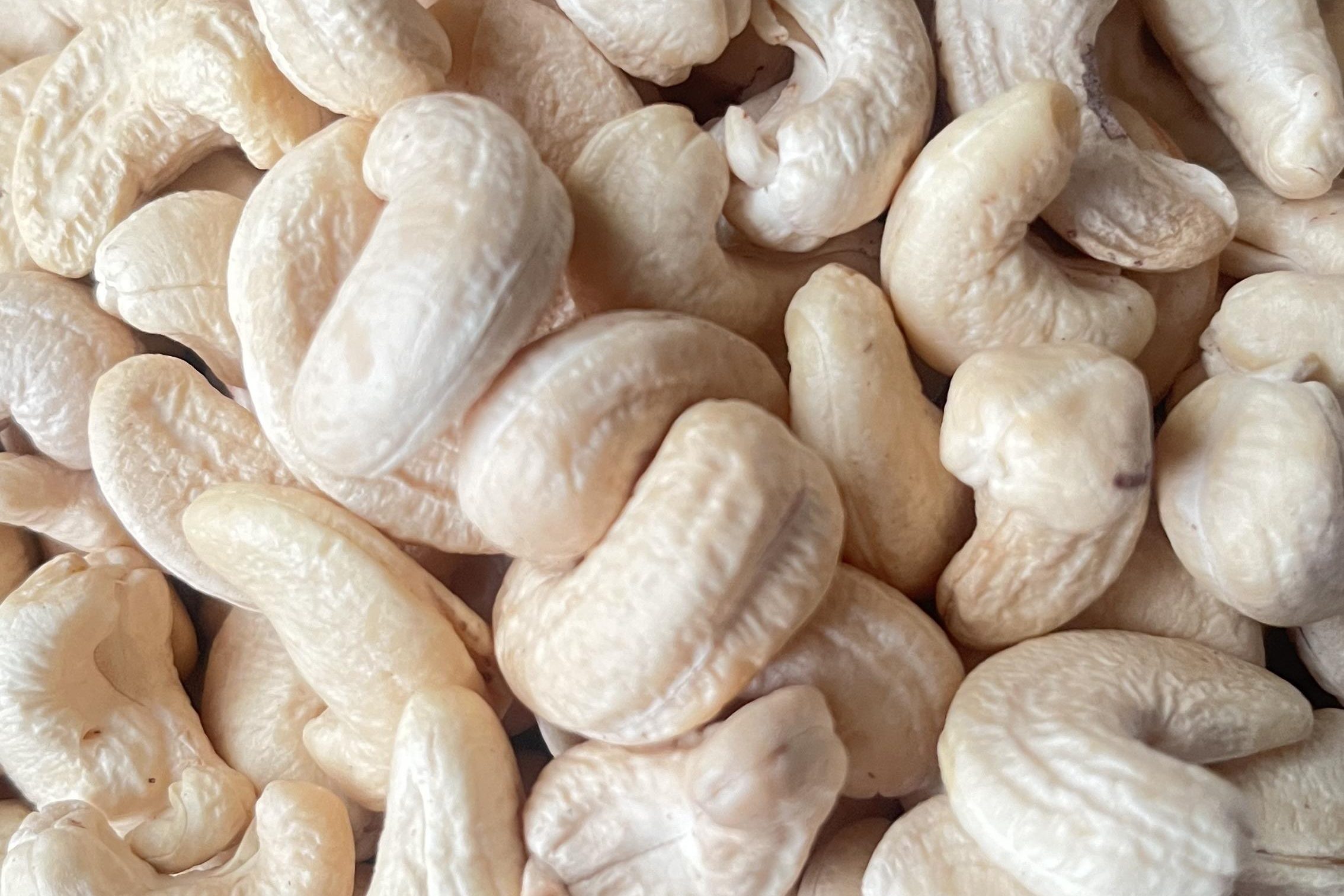
Physical Description:
- Shape: The cashew nut has a distinctive, kidney-shaped appearance, often curved or C-shaped.
- Color: When harvested, the cashew nut is typically pale cream or light brown in color. The edible nut is encased in a hard shell, which is further enclosed in a fleshy, pear-shaped structure known as the cashew apple.
- Size: The size of a cashew nut varies, but it is generally around 1–2 cm in length.
Cashew Nut Structure:
- Shell: The nut is protected by a hard, toxic shell containing an oil called urushiol, which can cause skin irritation. This shell must be removed before the nut is consumed.
- Edible Kernel: The edible part of the cashew is the soft, white or cream-colored kernel inside the shell. This is the part that is eaten raw, roasted, or processed into various products.
Cashew Apple:
The cashew nut grows attached to the bottom of the cashew apple, which is a juicy, bell-shaped fruit. The fruit is not a true apple but rather a false fruit (or pseudocarp). It is typically yellow or red and has a sweet, tangy flavor. Cashew apples are edible and can be eaten fresh, juiced, or used to make jams and beverages, though they are less widely known in many parts of the world than the nut itself.
Flavor and Texture:
- Flavor: Cashew nuts have a mildly sweet and buttery flavor, with a subtle richness. This makes them versatile in both sweet and savory dishes.
- Texture: The texture is crunchy when raw or roasted, yet the nut remains soft and creamy when processed into nut butters or used in dairy-free recipes.
Nutritional Content:
Cashews are rich in:
- Healthy fats, including monounsaturated and polyunsaturated fats.
- Protein – providing a good source of plant-based protein.
- Minerals such as magnesium, phosphorus, iron, zinc, and copper.
- Vitamins – particularly Vitamin K, Vitamin E, and several B vitamins.
- Fiber – aiding in digestion and promoting a feeling of fullness.
Culinary Uses:
Cashews are incredibly versatile in cooking. Some common uses include:
- Snacking – eaten raw or roasted as a snack.
- Baking – added to cookies, cakes, and bars.
- Nut Butters – ground into cashew butter, which is smooth and spreadable.
- Cooking – used in savory dishes such as curries, stir-fries, or as a topping for salads.
- Dairy Substitutes – blended into creamy sauces or cheeses, especially in vegan recipes.
Cashews also play a role in the production of cashew milk, a non-dairy milk substitute.
| Cashew Nut Nutrition Facts | ||
| Serving Size 100g | DV | |
| Calories | 553 kcal | 28% |
| Total Carbohydrate | 32.7 g | 11% |
| Dietary Fiber | 3.3 g | 13% |
| Sugars | 5.9g | |
| Totel Fat | 43.8g | 67% |
| Saturated Fat | 7.8g | 39% |
| Monounsaturated Fat | 23.8g | |
| Polyunsaturated Fat | 7.8g | |
| Protein | 18.2 g | 36% |
| Vitamin K | 34.1 mg | 43% |
| Thiamin | 0.4 mg | 21% |
| Vitamin B6 | 0.4mg | 21% |
| Floate | 25 mg | 6% |
| Pantothenic Acid | 0.9mg | 9% |
| Iron | 6.7 mg | 37% |
| Magnesium | 292 mg | 73% |
| Phosphorus | 593 mg | 59% |
| Potassium | 660 mg | 19% |
| Zinc | 5.8gm | 39% |
| Copper | 2.2mg | 110% |
| Manganese | 1.7 mg | 83% |
| Selenium | 19.9 mg | 28% |
| Cholesterol | 0 mg | 0% |
| % Daily values (DV) are based on a 2000 calories Diet. DV may be higher or lower depending on your calories needs. | ||
Health Benefits:
- Heart Health: Cashews are known to promote heart health due to their high levels of unsaturated fats and antioxidants.
- Bone Health: They are rich in magnesium, which is vital for bone strength and maintaining healthy nerve function.
- Weight Management: Despite their high-calorie content, cashews can help with weight management because they provide a sense of satiety and contain nutrients that support metabolism.
Processing:
After harvesting, cashews must undergo several processing steps:
- Shelling: The hard outer shell is removed, typically by mechanical means or heat treatment.
- Roasting: The nuts are often roasted to enhance flavor and texture.
- Peeling: A thin brown skin surrounding the kernel is removed, leaving the white nut inside.
- Grading: The nuts are graded based on size, quality, and appearance.
Cashew Industry:
Cashews are produced primarily in countries like India, Vietnam, Nigeria, and Brazil. The nuts are typically exported worldwide, with the largest markets being in North America, Europe, and Asia.
In summary, cashew nuts are not only delicious and versatile but also a nutritious and energy-dense food. They are enjoyed glo